
Reconfiguring Restaurant Interiors for Service Flow
Restaurant Remodeling and Build-Outs in Mount Holly for dining spaces that limit movement and slow service during peak hours
Commercial Interior Contractors provides restaurant remodeling and build-outs for dining establishments in Mount Holly and Central New Jersey that need interior layouts adjusted to improve service efficiency and customer experience. You may have a host station that blocks sightlines, kitchen access points that create bottlenecks, or seating arrangements that leave space unused while other areas feel cramped. This service focuses on interior changes that support daily operations, from server movement to table turnover, without unnecessary delays or extended closures.
The work involves relocating or removing walls, adjusting doorways and pass-throughs, upgrading flooring to handle spills and heavy foot traffic, and replacing finishes that show wear. If your restaurant has been in operation for years, surfaces degrade, layouts become inefficient as menus or service styles change, and the interior no longer reflects the experience you want to offer. The goal is to create a functional environment that holds up under constant use and supports the rhythm of service.
If your dining room or service areas are creating friction in daily operations, Commercial Interior Contractors can assess the space and outline improvements that fit your schedule and budget.
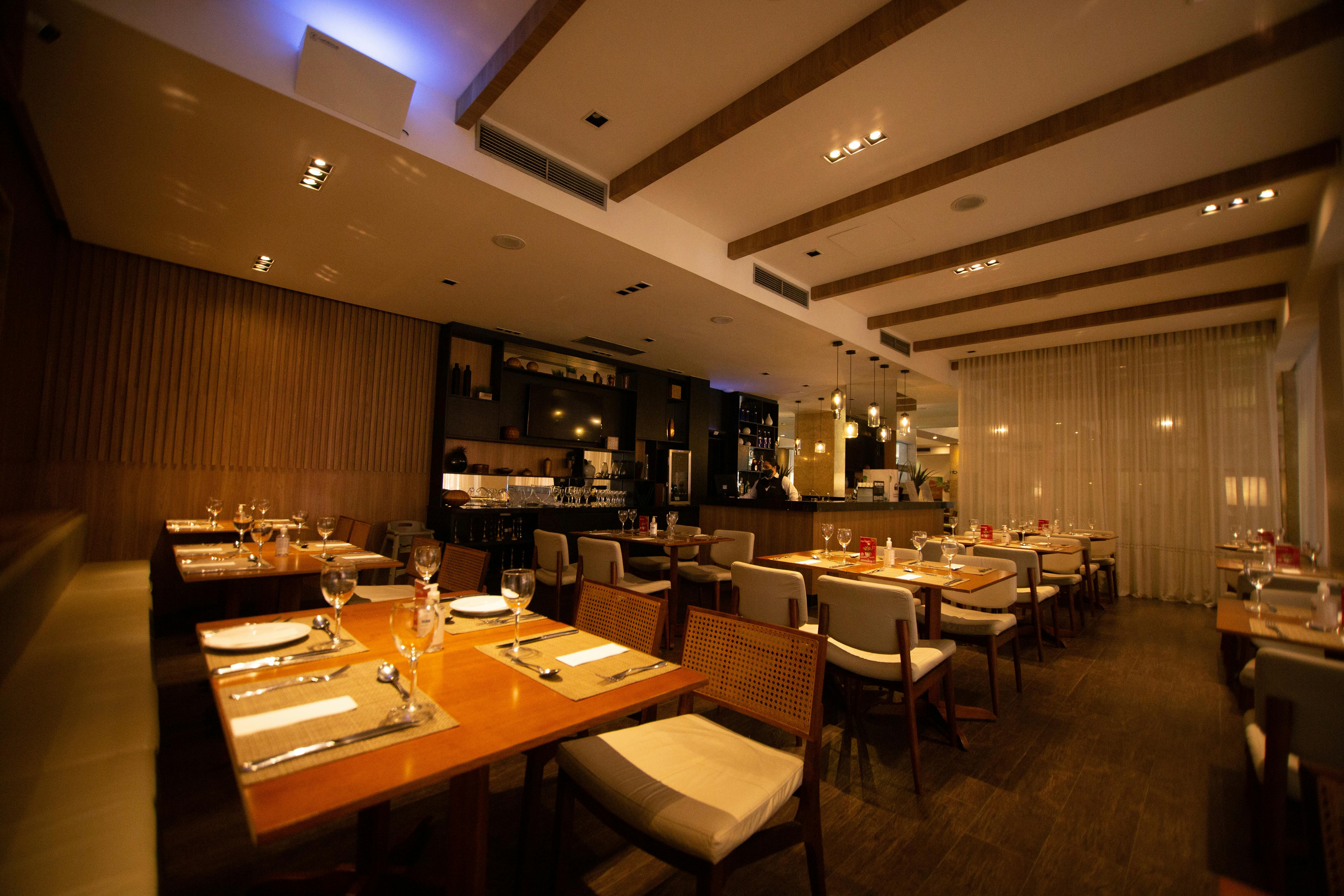
Why Durability Matters in Restaurant Interiors
When you remodel a restaurant, material selection is driven by how the space will be used. Floors need to resist moisture, grease, and constant cleaning without warping or staining. Walls near service areas require finishes that can be wiped down repeatedly without showing damage. Doors and frames must swing smoothly under repeated use and withstand impact from carts, trays, and foot traffic. You will see commercial-grade tile or sealed concrete installed, high-traffic paint applied, and hardware chosen for longevity rather than appearance alone.
After the remodel is finished, you will notice that staff can move between the kitchen and dining room without awkward turns or waiting for clearance, that seating sections feel balanced and accessible, and that the interior holds up through dinner rushes without showing immediate wear. Commercial Interior Contractors completes restaurant projects with efficient timelines so that downtime is minimized and you can reopen or resume full service as soon as possible.
Build-outs for new restaurant tenants involve more extensive coordination, including framing out kitchen areas, installing partition walls for restrooms or storage, and running utilities to match equipment placement. The work is sequenced to keep inspections and trade coordination moving forward without gaps that delay your opening date.
Common Questions About Restaurant Remodeling
Restaurant owners planning interior improvements often ask about material choices, timelines, and how the work will affect daily operations. These answers address practical concerns for businesses in Mount Holly and the surrounding area.
What flooring holds up best in high-traffic dining and service areas?
Porcelain tile, sealed concrete, or commercial vinyl are common choices because they resist moisture, are easy to clean, and maintain appearance under constant use without requiring frequent replacement.
How is the remodeling timeline managed to reduce closure time?
Work is scheduled in phases when possible, with demolition and rough installations completed first, followed by finishes and final details, so that you can plan staffing and marketing around a clear reopening date.
Why do some restaurant layouts feel inefficient even with adequate square footage?
Poorly placed service stations, narrow aisles, or awkward entry points can slow movement and create congestion, and adjusting partition locations or doorways often resolves these issues without expanding the footprint.
What happens to existing plumbing and electrical during a remodel?
Fixtures and outlets are relocated as needed to match the new layout, with lines extended or capped depending on where sinks, equipment, and lighting will be positioned after the remodel.
When should a restaurant owner consider a full remodel versus minor updates?
If your current layout limits seating capacity, slows service, or shows visible wear that affects customer perception, a remodel addresses those problems more effectively than piecemeal repairs.
Commercial Interior Contractors handles restaurant remodeling with attention to function, durability, and timeline. If your dining space is holding back service or showing age, contact the team to discuss what a remodel would involve and how quickly it could be completed.